
- Home
- Blog
Ultimate Guide: How to Avoid Pitfalls and Find Your Perfect Lash Extension Supplier
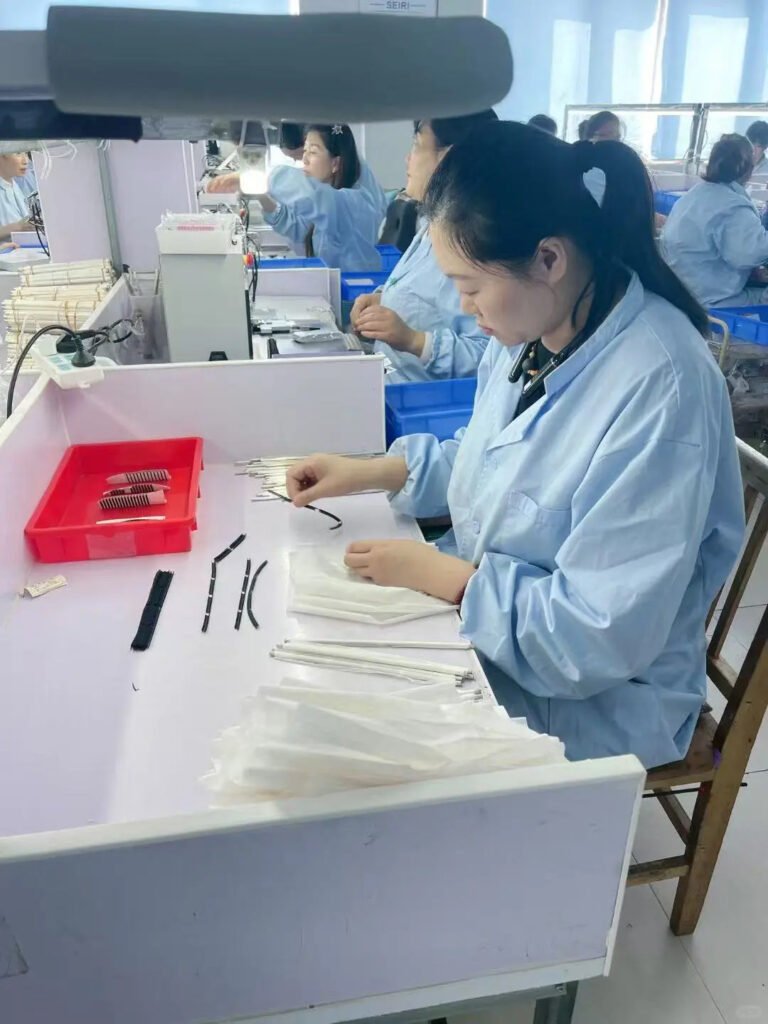
Zero-Defect Shipping
100% Customer Satisfaction
False Eyelash Knowledge Hub
Subtitle: 5 Critical Mistakes and Research-Based Solutions
Introduction: Are You Choosing the Right Lash Extension Supplier?
Whether you’re a salon owner focused on client safety or a DIY beauty enthusiast who cares about both aesthetics and health, selecting the wrong lash extension supplier can lead to a cascade of problems—from financial losses to potential eye health risks.
But how do you make a smart choice among the countless suppliers available today?
This guide breaks down five critical mistakes when sourcing lash extensions, backed by academic research, industry reports, and practical advice for professionals and DIY users alike.
Mistake 1: Overlooking Material Safety and Quality Standards
Why Material Choice Matters
Medical-grade synthetic fibers, such as PBT fibers, are the industry benchmark. Compared with animal hair, these fibers:
Reduce allergy risk due to hypoallergenic and uniform composition.
Maintain curl and shape consistently; SEM studies show synthetic fibers cause less damage to natural eyelash cuticles than animal hair.
Offer higher hygiene standards through ISO-certified production.
Learn more about materials and safety in our article: What Are Lash Extensions Made Of? A Comprehensive Guide to Materials, Safety & Trends
Practical Tips
Request ISO certificates, material composition reports, and sterilization documentation.
Inspect sample lashes for consistent curl, thickness, and length.
DIY users: choose medical-grade fibers and hypoallergenic adhesive to protect the ocular surface.
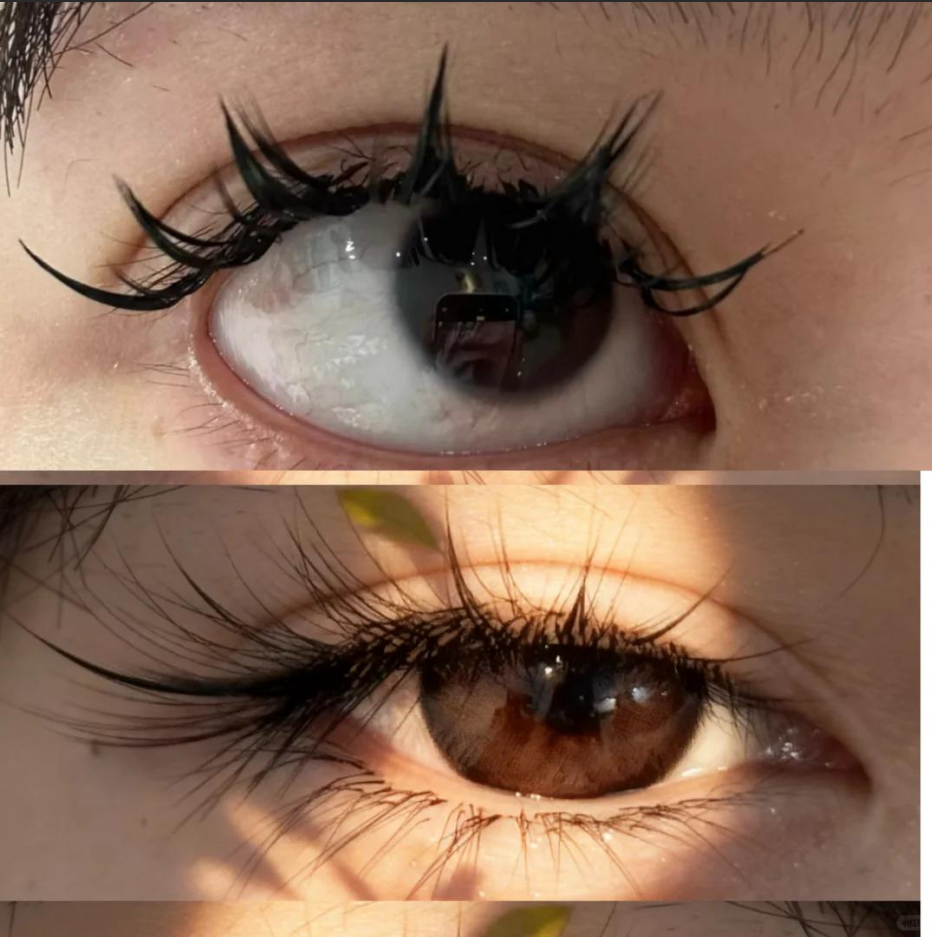
Mistake 2: Ignoring Minimum Order Quantity (MOQ) Flexibility
Why MOQ Matters
High MOQs can:
Strain cash flow and storage
Force over-purchasing of untested products
Increase financial risk for startups
Industry Best Practice: Suppliers offering low MOQ (<20 trays) allow small-batch trials and market testing.
Practical Strategies
Negotiate small-batch trial orders.
Split large orders into multiple deliveries to reduce inventory risk.
Evaluate tiered pricing for future scalability.
Mistake 3: Neglecting Customization and Branding Opportunities
Design and Market Relevance
Generic lash products limit differentiation. Customization enables:
Building a distinct brand identity
Aligning with trends: “clean girl” natural lashes, wet-look lashes, or volume sets
Eye-shape optimization: studies show adjusting curl, length, and density enhances appearance (e.g., J-shaped lashes soften narrow eyes, dense C-shaped lashes stabilize round eyes)
Stay updated with trends: 2025 False Eyelash Trend Report
Practical Tip
Check if suppliers offer OEM/private label options, including tray and packaging design.
Conduct small-scale sample tests before scaling.
DIY users: pick sets designed for safe home use and preferred aesthetics.
Mistake 4: Failing to Verify Compliance and Ethical Practices
Industry Standards
Responsible suppliers adhere to:
Cruelty-free and vegan certifications
Intellectual property protection
Transparent sourcing and ethical labor practices
Practical Tip
Request certificates and signed confidentiality agreements.
Confirm compliance with local health and eye safety regulations.
Mistake 5: Overlooking Logistics and Support Services
Why Logistics Matter
Reliable shipping and technical support ensure:
Salon scheduling stability
Avoidance of stockouts
Proper staff training for safe application
Practical Guidance
Request recent shipping logs to your area.
Verify availability of technical support, tutorials, and aftercare guides.
Ensure real-time order tracking for international shipments.
Industry Best Practices: Supplier Evaluation Checklist
| Evaluation Area | Benchmark / Recommendation |
|---|---|
| Material Safety | ISO-certified medical-grade synthetic fibers, minimal cuticle damage |
| MOQ Flexibility | Low MOQ (<20 trays), trial orders |
| Customization & Branding | OEM/private label, sample testing, packaging design |
| Compliance & Ethics | Cruelty-free, IP protection, ethical sourcing |
| Logistics & Support | Express shipping, tracking, training guides |
FAQ: Making the Right Lash Supplier Choice
Q1: How do I verify material safety?
Check ISO certificates, material reports, and sterilization documentation.
Q2: What is a reasonable MOQ for testing?
Industry best practice: under 20 trays for trial orders.
Q3: Can I customize lashes?
OEM/private label options allow tray and packaging design, curl/length/density adjustment.
Q4: How do I protect my designs?
Use signed confidentiality agreements and confirm IP protection.
Q5: Are lash extensions safe for DIY users?
Even small-scale DIY application can impact the ocular surface. Use medical-grade fibers, hypoallergenic glue, and follow safety guidelines.
Q6: Where can I find guidance for safe and healthy lash extension use?
You can refer to our comprehensive guide, 'Are Lash Extensions Bad for Your Lashes? A Comprehensive Guide to Safe and Healthy Lash Extension Use', which provides detailed safety protocols, application techniques, and maintenance best practices for both professionals and DIY users.Conclusion: How to Make Informed Decisions
Choosing a lash extension supplier affects your product quality, brand reputation, and operational efficiency. By avoiding these mistakes and following industry best practices:
Minimize health and safety risks
Optimize inventory and cash flow
Enhance brand differentiation via customization
Ensure compliance and ethical standards
Maintain reliable logistics and support
Next Steps:
Use the supplier evaluation checklist to review current or potential suppliers.
Request verification reports and production samples to make objective decisions.
Consider DIY or personal use needs while prioritizing safety.
Tip: You can request verification reports and production samples from suppliers as objective decision-making tools, without relying on brand promotion.
Professional eyelash manufacturer. We produce thousands of eyelash products with mink hair, horse hair, synthetic and other materials. There is always one suitable for your business with factory wholesale prices.
Copyright © 2025 Shewincosmetic
One Response